Thursday, October 2, 2025

Bringing Music and Stories Together: A New Family Concert Experience in Cyprus


In an age when families are often asking, “How can we spend meaningful time together?”, there is a cultural offering emerging in Cyprus that answers directly: family concerts that marry storytelling and orchestral music into a single, immersive experience.

These concerts, sometimes titled “Musical Stories” or “Story-Music for Families,” invite listeners of all ages to journey with classic tales while the Cyprus Symphony Orchestra (CySO) and talented narrators, singers, and conductors bring them to life. The appeal lies in bridging generations, in combining the emotional power of music with the familiar moral clarity of stories old and new.


What Makes These Concerts Special

1. Narrative + Orchestral Soundscape

Unlike a typical concert, these events interweave spoken narration, singing, and instrumental passages. The stories act as a backbone—guiding the audience through a sequence of emotional highs and lows—while the music underscores, illustrates, and amplifies. Works such as The Ugly Prince and “The Hare and the Tortoise” serve as narrative anchors, teaching values of inner beauty, humility, and perseverance.

2. Thoughtful Musical Curation

These performances often incorporate classical staples, folk elements, and newly composed pieces or arrangements tailored to the story. In one concert, for example, you may hear selections from Schubert’s “Unfinished” Symphony, German dances arranged by Webern, or Greek songs by Mikis Theodorakis, woven alongside original compositions by the conductor. The conductor and adaptor—here, Alkis Baltas—play a central role in choosing musical segments, orchestrations, and blending narration with music elegantly.

3. Visual and Multimedia Enhancements

To enrich the experience, some performances include projections of images or short videos that correspond to story moments, helping children and adults alike anchor their imagination to visuals. This layered approach—hearing, seeing, feeling—transforms a concert hall into a realm of shared narrative enchantment.

4. Accessible Pricing and Format

One of the striking features is that these concerts frequently aim to be affordable and accessible for families. Tickets are reasonably priced to encourage attendance by a broad public. Furthermore, venues are often central and scheduling may include multiple time slots for convenience.


Why This Matters for Cyprus’ Cultural Landscape

Strengthening Generational Bridges

Music has long been a means to bring people together across ages. In Cyprus, where many families span several generations who may not always share tastes, this format offers common ground. Children, parents, and grandparents can collectively follow a story, respond to music, and afterward discuss what moved them most. It becomes not just entertainment, but bonding.

Cultivating Lifelong Listeners

Introducing orchestral repertoire through engaging narratives is a gentle yet powerful way to cultivate future classical-music enthusiasts. Often, exposure to classical music is hampered by its perceived elitism. The narrative format lowers the barrier: rather than expecting listeners to already “understand” orchestral music, the story gives them context, meaning, and emotional cues.

Supporting Local and International Repertoire

These concerts often include Greek and Cypriot composers alongside international works. This helps balance the global and the local, promoting Cyprus’ own musical heritage while placing it in dialogue with broader Western traditions.

Enhancing Cultural Tourism and Community Identity

The fact that Cyprus is developing such concerts shows a maturing of the cultural sector. Such events attract not only residents but visitors interested in experiencing Cyprus beyond sun and sea. They strengthen the island’s identity as not just a tourist destination, but as a living, breathing hub of artistic life.


Key Takeaways & Best Practices for Organizers

  • Strong narrative adaptation: The choice of stories, and how they’re adapted, is critical.
  • Balanced program flow: Alternating narration, singing, and instrumental interludes helps maintain attention.
  • Multimedia support: Visuals add immersion, but must be tasteful and well synchronized.
  • Affordable access: Modest ticket prices and family-friendly timing are essential.
  • Educational framing: Handouts or short talks enrich the experience.
  • Partnerships: Schools, cultural bodies, and tourism offices can expand impact.

Conclusion

The Family Concerts: Enchanting Story-Music in Cyprus initiative exemplifies how culture can be both playful and profound. By weaving together classical music, storytelling, visual art, and family participation, it invites each attendee—child or adult—into a shared world of wonder. In doing so, it not only delights but cultivates deeper appreciation for music, narrative, and the arts. As Cyprus continues to evolve culturally, such hybrid concert forms can serve as pillars in its artistic identity and community life.

Sunday, September 28, 2025

Cyprus Symphony Orchestra Unveils Chamber Music Evening

 Date & Venue

On October 2, 2025, the Cyprus Symphony Orchestra (CySO) will present Chamber Music 1: a Piano Quartet concert. The event is scheduled to begin at 8:00 pm at the Rialto Theatre in Limassol.


Why this Concert Matters

1. Expanding the Orchestra’s Reach & Artistic Range

As the only professional symphony orchestra in Cyprus, the CySO has grown into a dynamic cultural institution, offering diverse programming—symphonic concerts, chamber evenings, educational projects, and outreach events—across the island. This chamber music evening highlights the orchestra’s evolving artistic ambition and commitment to intimate repertoire, beyond its large-scale symphonic performances.

2. Chamber Music as an Intimate Bridge

Chamber music is often celebrated for its clarity, interplay between instruments, and closeness between performers and listeners. By presenting a Piano Quartet program—piano, violin, viola, and cello—CySO invites audiences to experience works with conversational textures and expressive nuance.

3. Cultural Enrichment Beyond the Capital

Hosting a concert in Limassol emphasizes CySO’s mission to decentralize high-level music across Cyprus, ensuring that residents outside Nicosia can engage with top-tier performances.


What to Expect: Program & Artistic Highlights

The Chamber Music 1 – Piano Quartet concert will also take place in Nicosia on October 3, at the Pallas Theatre.

The program includes:

  • Johannes Brahms: Piano Quartet No. 3 in C minor, Op. 60

  • Gustav Mahler: Piano Quartet in A minor

Performers:

  • Ayşe Karaoğlan (violin)

  • Vladimir Tkachenko (viola)

  • Pinar Bayraktar (cello)

  • Manolis Neophytou (piano)

This juxtaposition of Brahms and Mahler offers both mature Romantic depth and youthful intensity, reflecting the richness of the chamber repertoire.


The Cyprus Symphony Orchestra: Background & Mission

  • Foundation & Role
    The Cyprus Symphony Orchestra Foundation (CySO) was created to promote orchestral music throughout Cyprus. Today, it is widely recognized as one of the island’s cultural cornerstones.

  • Concert Volume & Variety
    The orchestra presents around 80–90 concerts annually, including symphonic evenings, chamber music programs, family concerts, and outreach projects.

  • Youth & Educational Programs
    Closely linked to the Cyprus Youth Symphony Orchestra and several educational initiatives, CySO nurtures young talent and fosters a culture of classical music appreciation.

  • Community Engagement
    Through its “Orchestra for All” series, CySO brings music to towns and villages, offering performances that are free or low-cost, ensuring accessibility for everyone.


Audience & Impact: What This Means for Cyprus

  • For Classical Music Aficionados
    This chamber evening allows audiences to enjoy precision and detail, savoring the individual voices of each instrument.

  • For Local Communities
    By performing in Limassol and Nicosia, CySO strengthens cultural life across Cyprus, making world-class music accessible to more people.

  • For Cyprus’s Cultural Profile
    High-caliber programming strengthens Cyprus’s reputation as a cultural destination in the Eastern Mediterranean, attracting new audiences and fostering international collaborations.


Practical Details for Attendees

  • Dates & Venues

    • Limassol (Rialto Theatre) — October 2, 2025, at 20:00

    • Nicosia (Pallas Theatre) — October 3, 2025, at 20:00

  • Tickets & Pricing
    Tickets are affordably priced, with concessions available, encouraging broad audience participation.

  • Experience Tips
    Arrive early to enjoy the atmosphere of the theatres, explore program notes if available, and prepare to immerse yourself in the intimacy of chamber music.


Future Prospects & Legacy

This Chamber Music 1 concert marks the start of a dedicated series within CySO’s season, with further chamber music evenings planned. Over time, these concerts will:

  • Encourage the formation of local chamber ensembles

  • Foster collaborations with guest artists

  • Deepen audience appetite for refined repertoire

  • Contribute to cultural continuity and music education across Cyprus

Thursday, September 25, 2025

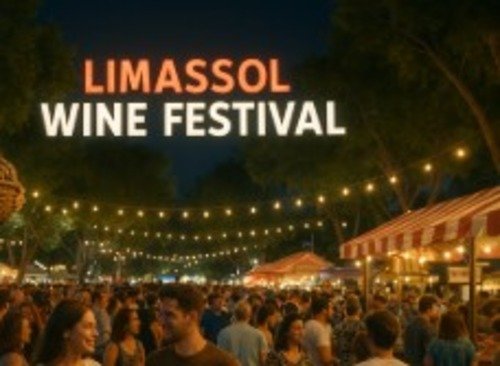
Limassol Wine Festival 2025: Celebrating Cyprus’s Wine Heritage


Autumn in Cyprus brings more than cooler breezes — it also welcomes one of the island’s most beloved gatherings: the Limassol Wine Festival. In 2025 the festival will take place from 27 September to 5 October, once again transforming Limassol’s Municipal Gardens into a lively hub of wine, culture, and community.


The Spirit of the Festival

The Limassol Wine Festival is a celebration of Cyprus’s viticultural roots. It pays homage to centuries of vine growing and winemaking traditions, blending them with modern festivity. Each evening, thousands of visitors pass under the iconic statue of a traditional village winegrower — a fixture since 1961 — before entering the festival grounds.

Inside, wine from participating wineries flows freely, allowing guests to sample unlimited varieties. Stalls offer local dishes at modest prices, and the atmosphere is one of conviviality: wine, food, friends, and shared enjoyment.

But the festival is more than just wine. It’s also a cultural stage: nightly performances of folk dance, music, theater, and satire bring Cyprus’s heritage alive in the glow of twilight.


What to Expect in 2025

Dates & Venue

The nine-day festival runs from 27 September to 5 October, with events beginning in the early evening and continuing into the night. The venue remains the Municipal Gardens in Limassol, a seaside green space that provides a picturesque backdrop for the celebrations.

Admission

Adults pay €5, while attendees aged 13–17 are charged €3. These entrance fees grant access to the festival’s full program, including unlimited wine tastings from all the participating wineries.

Program Highlights

The nightly lineup is packed with variety. From live concerts and dance ensembles to comedy, theatrical shows, and folklore performances — each evening offers something unique. In addition, there are interactive elements such as themed exhibitions, caricature displays, and workshops like pottery or local crafts. For children, magic shows, shadow theater, and creative activities provide entertainment alongside the wine-centric offerings.

Food & Dessert

No wine festival is complete without local fare, and Limassol’s is no exception. Expect to enjoy Cypriot favorites: grilled meats, mezze plates, halloumi, and sweet treats like loukoumades and baklava. The food is typically served at affordable prices, making it easy to complement tasting with satisfying bites.

Tips for Visitors

  • Arrive early in the evening to avoid long queues at the entrance or wine pavilions.
  • Wear comfortable shoes — paths may be uneven, especially if there has been rain.
  • Bring water and stay hydrated — wine tasting can be dehydrating.
  • Plan ahead for specific performances by checking nightly schedules in advance.
  • Leave some appetite for desserts — sharing sweets lets you try more variety.

Why Attend?

The Limassol Wine Festival is one of the island’s longest-running events and remains deeply cherished. It offers a rare combination of accessibility, authenticity, and entertainment. Rather than being exclusive or elite, it draws families, wine enthusiasts, cultural seekers, and locals alike to a shared experience.

The festival doesn’t just showcase wine — it weaves it into Cyprus’s living culture: music, cuisine, history, and community all intermingle under the garden’s trees and lights. For a modest admission, attendees gain access to an evening rich with taste, art, fellowship, and heritage.

Whether you’re already planning to attend or just curious about local Cypriot events, Limassol’s Wine Festival stands out as a meaningful and delightful window into the island’s wine legacy and cultural heart.

Sunday, September 21, 2025

Freediving World Championship 2025 in Limassol: A Dive into Excellence


The 35th AIDA Freediving World Championship is set to captivate audiences in Limassol, Cyprus, from September 23 to October 2, 2025. This prestigious event brings together the world’s top freedivers to compete in the crystal-clear waters of the Mediterranean Sea. With free spectator access, the championship promises an exhilarating blend of athletic prowess, natural beauty, and Cypriot hospitality. This cornerstone article explores the event’s highlights, Limassol’s ideal conditions, travel tips, and the cultural experiences that make this championship a must-visit.

Event Overview and Schedule

The Freediving World Championship spans ten action-packed days, showcasing various depth disciplines under the strict guidelines of the International Association for the Development of Apnea (AIDA). The event kicks off on September 23 with opening ceremonies and concludes on October 2 with a grand closing celebration. Each day focuses on different disciplines, such as Constant Weight Apnea (CWT), Free Immersion (FIM), and Static Apnea (STA), ensuring a diverse and thrilling competition.

A backup day is scheduled to accommodate potential weather disruptions, guaranteeing fair and safe conditions. The event features:

  • World-class athletes from dozens of countries.
  • Judges and medical teams adhering to AIDA’s international standards.
  • Safety divers equipped with sonar and underwater scooters for athlete security.

This structure ensures a professional and spectator-friendly experience, making it one of the most accessible aquatic sporting events of 2025.

Why Limassol is the Perfect Host

Limassol’s Mediterranean waters provide unparalleled conditions for freediving:

  • Water Temperature: A comfortable 25–28 °C, ideal for extended dives.
  • Visibility: Over 30 meters, allowing clear views of underwater performances.
  • Location: The competition zone is one mile offshore, offering undisturbed depths and calm seas.
  • Safety Infrastructure: Advanced setups, including sonar, scooters, and multiple safety divers, prioritize athlete safety.

Cyprus’s autumn weather, with its predictable calm seas and mild temperatures, enhances Limassol’s appeal as a global freediving hub. The city’s growing reputation in aquatic sports makes it a natural choice for this landmark event.

The Athletes and Their Pursuit of Records

The championship will feature a mix of seasoned world champions and rising stars, all vying to push the limits of human endurance. Freediving demands extraordinary physical and mental discipline, as athletes dive to extreme depths on a single breath. With Limassol’s pristine conditions, the 2025 event is poised for record-breaking performances. Fans can expect:

  • Depth records in disciplines like Constant Weight and No Fins.
  • Dramatic moments as athletes test their limits.
  • Global representation, with competitors from Europe, Asia, the Americas, and beyond.

This convergence of talent and environment sets the stage for historic achievements.

Travel Tips for Visitors

Attending the Freediving World Championship is an opportunity to combine world-class sport with a memorable Mediterranean getaway. Here’s how to plan your visit:

Getting to Limassol

  • Airports: Fly into Larnaca International Airport (LCA) or Paphos International Airport (PFO), both within a 60-minute drive of Limassol.
  • Transportation: Use buses, taxis, or event shuttles to reach the championship venue. Renting a car offers flexibility for exploring Cyprus.

Accommodation

  • Beachfront Hotels: Enjoy proximity to the sea and event activities.
  • City Apartments: Ideal for budget-conscious travelers seeking urban convenience.
  • Official Event Hotel: Check the championship’s website for designated accommodations with special rates.

Exploring Limassol

Take advantage of rest days between competition events to discover Limassol’s attractions:

  • Stroll the Limassol Promenade, lined with cafes and shops.
  • Visit Kourion, an ancient archaeological site with stunning coastal views.
  • Explore Limassol Castle, a historic gem in the city’s heart.

Dining

Savor Cypriot cuisine, including:

  • Halloumi: Grilled or fried, this cheese is a local favorite.
  • Meze Platters: A variety of small dishes showcasing Cyprus’s flavors.
  • Cyprus Desserts: Try loukoumades (honey-dipped dough balls) or soutzoukos (grape juice and almond sweets).

Cultural Experiences Beyond the Championship

The Freediving World Championship is more than a sporting event—it’s a gateway to Cyprus’s rich culture. Visitors can immerse themselves in:

  • Ancient Ruins: Discover sites like Amathus or Kourion for a glimpse into Cyprus’s storied past.
  • Vineyards: Tour nearby wineries to sample Cyprus’s renowned Commandaria wine.
  • Mountain Villages: Visit Omodos or Troodos for scenic beauty and traditional crafts.
  • Nightlife: Limassol’s vibrant bars and clubs offer entertainment after competition days.

This blend of sport and culture makes the championship a unique travel experience.

Why Attend the 2025 Freediving World Championship?

The event offers something for everyone:

  • Sports Enthusiasts: Witness elite athletes push the boundaries of human potential.
  • Travelers: Explore Cyprus’s beaches, history, and cuisine.
  • Families: Enjoy free spectator access and kid-friendly activities along Limassol’s coast.

The championship also highlights Cyprus’s emergence as a global hub for aquatic sports, supported by its natural beauty and modern infrastructure.

Practical Information

  • Event Dates: September 23–October 2, 2025.
  • Location: Limassol, Cyprus, one mile offshore.
  • Cost: Free for spectators.
  • Official Website: Visit AIDA International for updates and athlete registration.
  • Travel Resources: Explore Cyprus Voyage for tours, activities, and local guides.

Conclusion

The Freediving World Championship 2025 in Limassol is set to be a landmark event, combining breathtaking athletic feats with the allure of Cyprus’s Mediterranean charm. Whether you’re a freediving fan, a curious traveler, or a culture enthusiast, this event offers an unforgettable experience. From record-breaking dives to cultural discoveries, Limassol invites you to dive into a world of excellence in 2025.


Saturday, September 20, 2025

Dymes Festival Celebrates Fruits and Delimeats in Cyprus 2025


The Dymes Festival, set for September 20-21, 2025, returns to Cyprus as a dazzling showcase of the island’s rich culinary traditions and vibrant community spirit. This beloved annual event in the heart of Dymes village transforms the autumn calendar into a feast for the senses, blending fresh fruits, savory delimeats, and time-honored recipes with live music, interactive workshops, and cultural performances. More than a food festival, Dymes is a celebration of Cyprus’s heritage, fostering connection, creativity, and sustainability.

A Feast of Local Flavors: Fruits, Delimeats, and More

At the heart of the Dymes Festival lies an irresistible array of Cyprus’s finest produce and artisanal creations. Visitors can indulge in juicy figs, pomegranates, grapes, and peaches, each bursting with the freshness of the season. Complementing these are savory delimeats, including cured sausages, tangy cheeses, and marinated olives, crafted with traditional methods passed down through generations. Artisanal vendors also showcase freshly baked breads, savory pies, and sweet treats, alongside preserves, honey, and small-batch dairy products. Every bite tells a story of Cyprus’s fertile lands and skilled producers.

Sweet Traditions: Cyprus Desserts Take Center Stage

The festival’s dessert offerings are a highlight, celebrating Cyprus’s sweet heritage with classics like loukoumades (honey-drizzled dough balls), flaky baklava, and delicate spoon sweets made from figs, almonds, and local fruits. Interactive workshops led by expert chefs invite attendees to master the art of crafting halva and other traditional confections. These sessions not only tantalize taste buds but also preserve culinary techniques, connecting younger generations to their cultural roots through shared recipes and stories.

Cultural Immersion and Family-Friendly Fun

Beyond its culinary delights, Dymes Festival weaves a rich tapestry of cultural activities. Folk dance performances and storytelling sessions bring Cyprus’s history to life, while live music fills the air with energy. Families can enjoy fruit-carving workshops, face painting, and cooking competitions that challenge both amateur and seasoned chefs to blend tradition with innovation. These activities create a joyful, inclusive atmosphere, ensuring there’s something for every age and interest.

Championing Sustainability and Local Farmers

Dymes Festival is deeply committed to sustainability, spotlighting small-scale farmers who prioritize organic cultivation and seasonal harvesting. This focus ensures that every ingredient is fresh, flavorful, and environmentally conscious. Educational workshops on sustainable agriculture and community gardening inspire attendees to support local food systems and adopt eco-friendly practices. By celebrating farm-to-table principles, the festival strengthens Cyprus’s agricultural heritage and promotes a greener future.

Plan Your Visit: Tips for an Unforgettable Experience

Mark your calendars for September 20-21, 2025, and prepare for an unforgettable weekend in Dymes. Arrive early to explore the vibrant stalls and savor every flavor without the rush. Wear comfortable shoes, as the festival spans an expansive outdoor venue with demonstrations and activities throughout. Bring a hearty appetite and an open mind to discover new tastes, learn from artisans, and immerse yourself in Cyprus’s culinary and cultural richness. Free parking and shuttle services will be available, with full details posted closer to the event on the official Dymes Festival website.

Why Dymes Festival Matters

The Dymes Festival is more than a culinary event—it’s a vibrant celebration of Cyprus’s identity, uniting communities through shared meals, traditions, and creativity. By honoring age-old recipes while embracing modern sustainability, it bridges the past and future, creating lasting memories for locals and visitors alike. From the first bite of a sun-ripened fig to the final notes of a folk song, Dymes Festival captures the essence of Cyprus’s gastronomic and cultural soul.

Join us in Dymes on September 20-21, 2025, to taste, learn, and celebrate the flavors and traditions that make Cyprus unforgettable.

Sunday, September 14, 2025

The Timeless Charm of Traditional Cypriot Sweets: A Journey Through Flavor and Heritage


Cyprus, a sun-drenched island at the crossroads of Europe and the Middle East, is not only famous for its turquoise beaches and ancient ruins but also for its rich culinary traditions. Among these, the island’s sweets hold a special place, offering a window into its history, culture, and local flavors. From delicate pastries to syrup-soaked confections, traditional Cypriot sweets are more than desserts—they are a celebration of heritage, craftsmanship, and the Mediterranean way of life.

A Sweet Legacy: Cyprus’ Confectionery Traditions

The art of sweet-making in Cyprus reflects centuries of cultural fusion, influenced by Greek, Ottoman, and Middle Eastern cuisines. Ingredients like almonds, walnuts, sesame, honey, and citrus fruits are commonly used, often paired with aromatic spices such as cinnamon, clove, and mastiha. Many of these sweets were originally made for religious festivals, weddings, or local celebrations, making them an integral part of Cypriot social and cultural life.

Handmade sweets, passed down through generations, remain a testament to the island’s commitment to preserving traditional techniques. Whether served during family gatherings or at village fairs, each sweet tells a story of local pride, seasonal abundance, and artisanal dedication.

Iconic Cypriot Sweets

Loukoumia

Also known as Turkish delight, Loukoumia are small, chewy cubes flavored with rosewater, mastic, or citrus and dusted with powdered sugar. They are often served alongside coffee, offering a delicate sweetness that balances the island’s robust coffee culture.

Baklava

Baklava is a layered pastry of filo dough, butter, and nuts, drenched in syrup made from sugar or honey. Cypriot baklava has its own twist, often including local nuts like almonds or walnuts, and infused with a hint of cinnamon.

Pasteli

Pasteli is a simple yet delicious treat made from sesame seeds and honey. It is considered one of the oldest confections on the island, embodying the natural flavors of Cyprus in a healthy, energy-boosting form.

Glyko tou Koutaliou

These “spoon sweets” are preserves made from fruits, nuts, or vegetables, cooked in syrup and served in small spoonfuls. They symbolize hospitality, often presented to guests alongside a cup of coffee.

Daktyla: The Sweet That Captures Cypriot Elegance

Among Cyprus’ many beloved sweets, Daktyla holds a special place. The name “Daktyla,” meaning “fingers” in Greek, refers to the sweet’s long, finger-like shape. Made primarily from almonds and sugar, Daktyla is often flavored with rosewater or citrus zest, providing a delicate aroma and subtle sweetness that lingers on the palate. Traditionally, the almonds are finely ground and folded into a smooth, pliable dough, then shaped into slender sticks and baked to perfection.

Daktyla is not just a dessert—it is a symbol of Cypriot craftsmanship. Its preparation requires patience and precision, reflecting the care and pride Cypriots put into their culinary heritage. Often enjoyed during festive occasions or gifted to loved ones, Daktyla embodies both simplicity and sophistication, making it a quintessential part of Cyprus’ sweet repertoire.

Celebrating Tradition in Every Bite

What makes Cypriot sweets truly exceptional is their connection to tradition. Each dessert carries the essence of the island’s history, climate, and local ingredients. From the nut-studded richness of baklava to the floral delicacy of Daktyla, these sweets are an invitation to experience Cyprus not just as a destination, but as a living cultural mosaic.

Today, many families and local patisseries continue to preserve these time-honored recipes, ensuring that each generation can taste and appreciate the artistry of Cypriot confectionery. Sampling these sweets is more than indulging in flavor—it is participating in a centuries-old story of community, hospitality, and culinary pride.

Conclusion

Traditional Cypriot sweets are far more than sugar and spice; they are edible history. From the comforting chew of Loukoumia to the elegant simplicity of Daktyla, each treat is a testament to the island’s rich heritage and culinary ingenuity. Exploring Cyprus’ sweets is a journey into its culture, a way to taste the traditions that have been lovingly preserved across generations. For anyone seeking a deeper connection to the island, one bite of these timeless confections is enough to understand why Cyprus’ sweet legacy continues to captivate hearts worldwide.

Friday, September 12, 2025

Polis Chrysochous: A Complete Travel Guide


Polis Chrysochous (often just “Polis”) is a charming coastal town in the northwest of Cyprus. Tucked close to the Akamas Peninsula, it provides a wonderful blend of laid-back atmosphere, natural beauty, culture, and good dining. This guide covers where to stay, what to eat, what to do, and how best to enjoy your time in Polis.


Why Visit

  • Relaxed atmosphere: Less crowded than many of Cyprus’s tourist hotspots, Polis gives you space and ease.

  • Natural beauty: Proximity to the Akamas Peninsula, beaches, hiking trails, and coastal scenery.

  • Authentic Cypriot charm: Family-run hotels, traditional architecture, local food, time-honored customs.

  • Compact and walkable: Many hotels, restaurants, and the town centre are within easy walking distance.


Where to Stay

Polis offers accommodation across a spectrum—from small boutique guesthouses to larger resorts. Here are types and what to expect:

TypeWhat you’ll getBest for
Family-run boutique hotels / guesthousesTraditional architecture, local flavor, personalized service, often close to town centre or coastTravelers wanting authenticity, quieter stays, cultural immersion
Larger resorts / beach hotelsPools, possibly spa facilities, more amenities, often beachfront or with direct beach accessThose wanting more comfort, leisure facilities, families, longer stays
Budget lodgingsBasic rooms, simpler amenities, likely fewer frills but decent comfortBudget-minded travellers, backpackers, short stays

Location pointers

  • Close to the coast: If waking up to sea views or having easy access to beach walks is important, pick hotels near the waterfront.

  • Near the town centre: For access to shops, cafés, local markets, taverns, it helps to stay central so you can walk everywhere.

  • Proximity to Akamas Peninsula: If you plan on hiking or exploring that region, staying on the western outskirts of Polis or somewhere with easy road access helps.


What to Eat & Where

Food in Polis is a major highlight. Here’s what to expect, what local specialties to try, and what types of dining options are available.

Local flavours & dishes

  • Seafood: Fresh grilled fish, octopus, calamari. Part of the day-to-day diet in coastal towns like Polis.

  • Meze: A must-do — small plates, multiple tastes: dips, grilled vegetables, meats, salads. Great way to sample lots.

  • Traditional Cypriot cuisine: Things like halloumi, loukoumades, baklava, pastries with honey and nuts, use of local olive oil, etc.

  • Desserts: Local bakeries often make sweets like baklava, loukoumades, rose-flavoured sweets, etc. Natural ingredients (honey, seasonal nuts) are common.

Types of restaurants & dining settings

  • Family run taverns: Friendly, simple, authentic. Good for casual meals, sometimes cheaper, often excellent food because of tradition.

  • Seaside restaurants: Want views? Pick places along the coast where you can eat with a sea breeze, maybe watching sunset. Seafood tends to be fresher there.

  • Bakeries / pastry shops: Great for breakfast or sweet treats. Try to find ones owned by locals.

  • More upscale / boutique dining: For special evenings or fine dining, there are restaurants that blend tradition with more refined presentations.


Things to See & Do

Polis is not just about rest and food—nature, culture and heritage are big parts of the draw.

  • Akamas Peninsula: One of the wildest, most unspoilt natural areas in Cyprus. Offers hiking trails, coastal scenery, hidden beaches.

  • Baths of Aphrodite: An iconic legendary site tied to myth; beautiful natural pools and lush surroundings.

  • Beach hopping: There are many beaches around Polis and Akamas; some are well-known, others more hidden. Great for swimming, sunbathing, relaxing.

  • Walking, hiking: Trails through the hills or along coastlines are peaceful and picturesque. Bring decent shoes.

  • Local markets / town life: Take time to stroll through the town, visit local shops, maybe buy olives, honey, handmade crafts.


Practical Tips

  • Best time to visit: Late spring and early autumn are ideal—pleasant weather, fewer crowds. Summer is warm, busy; winter quieter but some places may have reduced services.

  • Transport: If you have a car, you get more flexibility, especially for exploring more remote natural areas. There may be public transport options, but they are likely less frequent.

  • What to bring: Comfortable walking shoes, swimwear, sun protection, insect repellent (especially when venturing into more natural / undeveloped areas), a light jacket for evenings.

  • Language: Greek is the local language; English is widely spoken in tourism areas. Locals are usually friendly and welcoming.

  • Money & cost: Polis is not as expensive as big tourist hubs, especially for food and lodging, but prices rise with more upscale venues and beachfront properties. Bargain locally for souvenirs, but fairly modest overall.


Sample Itinerary Ideas

Here are ideas to help you plan 2-4 day stays, depending on your interests.

DurationSuggested Highlights
2 daysArrive and settle in, enjoy a seafood dinner by the water. Next day, beach morning, afternoon exploring town and local taverns, evening watching sunset.
3 daysAdd a day trip into Akamas Peninsula: hike, visit Baths of Aphrodite, secluded beach picnic. Try a mix of simple taverns and more upscale restaurant for one special dinner.
4+ daysUse extra time to slow down — linger on beaches, visit more remote areas, interact with locals, perhaps stay in a different part of town for variety. Explore local culture, crafts, perhaps a cooking class or vineyard visit if available.

What to Avoid / Be Aware

  • During peak summer, high tourist season, some restaurants or hotel services might be very busy or more expensive.

  • If exploring nature areas (especially off beaten path), check weather conditions and travel safety (roads may be rough).

  • Some more remote beaches or trails may lack facilities (shade, restrooms, café), so pack supplies (water, snacks).

  • Respect local customs and environment: leave no trace, avoid damage to fragile natural areas, etc.


Final Thoughts

Polis Chrysochous is ideal for travellers looking for a balanced holiday: peace and nature, good food, authentic local culture, without the crowds of bigger resort areas. Staying somewhere comfortable but not overdeveloped, mixing in adventurous days with relaxing ones, eating where locals go, and giving time to enjoy scenery rather than rushing — that’s how you get the best from Polis.

Eléa Golf Club: A Premier Cyprus Golf Escape

  Nestled just 8 km from the heart of Paphos, Eléa Golf Club stands as one of Cyprus’s most prestigious golfing destinations. Part of the e...